
A Tribute to Our Global Health Research Unit Partnership
My preoccupation that access to the tools of science should be considered a human rights priority emerged from three considerations.
1. The Unacceptable Threat
COVID-19 exposed a brutal and previously unimaginable reality: the possibility that the population of an entire continent could be lost simply because it lacked the core capabilities to make its own essential drugs, vaccines, and diagnostics. The irony was stark. The testing and vaccine technologies that ultimately saved lives had been developed by unassuming university scientists[1],[2] whose primary interest was the creation of new knowledge. Yet those same technologies were commoditised in a centralised, market-driven way. In the process, the continent without access to the cash or the tools of science (the experts, the infrastructure, and the systems built by the biosciences, chemistry, and engineering) was left behind.
Since the pandemic, Africa has moved from one crisis to another and is now under heavy strain from the latest international crisis — one not of its own making. While hoping this crisis will be resolved soon, Ebola is now emerging as the next threat. Access to the tools of science would enable Africa not only to fend off emerging threats, but to contribute meaningfully to global welfare, driven by its inherent outward-looking value systems.

Last week, I narrowly avoided running over a chick of an Abyssinian Thrush in my driveway. My son saw it. With great relief, I retrieved the chick, brought it indoors, sheltered it, fed it, fussed over it – the whole family was delighted to be part of the ‘care system’. What food should we give it? How should we protect it from a stray cat? Is it healthy? How can we reunite it with the parents? How should we make sure it doesn’t become too dependent on us? How can we help it start to fly? We were full of questions. The answers came through trial and error, with a good dose of common sense. And Google.
Over seven decades ago, Ethiopia had the capacity to produce six human vaccines through the “Institute Pasteur d’Ethiopie”, in partnership with the French government (History of EPHI – Ethiopian Public Health Institute). Each year, the Institute provided 3,000,000 doses of ‘Anti-variolica’ vaccine, 400,000 doses of Antityphus vaccine, 50,000 doses of Antirabies vaccine, 30,000 doses of BCG vaccine, 10,000 doses of ‘Antityphoid-paratyphoid’ vaccine, and 6,000 doses of Yellow fever vaccine free of charge through its dedicated departments. This capacity is now gone.

Science has proven an incredibly powerful force1 in changing human life. It has drastically transformed “our means of communication, the way we work, our housing, clothes, and food, our methods of transportation, and, even the length and quality of life itself …”.2. Beyond the potential for solving the major challenges of humanity, such as disease and pain, poverty, climate change and sustainability of development, the bliss from the sense of wonder derived from exploring the profound mysteries of nature is beyond words.
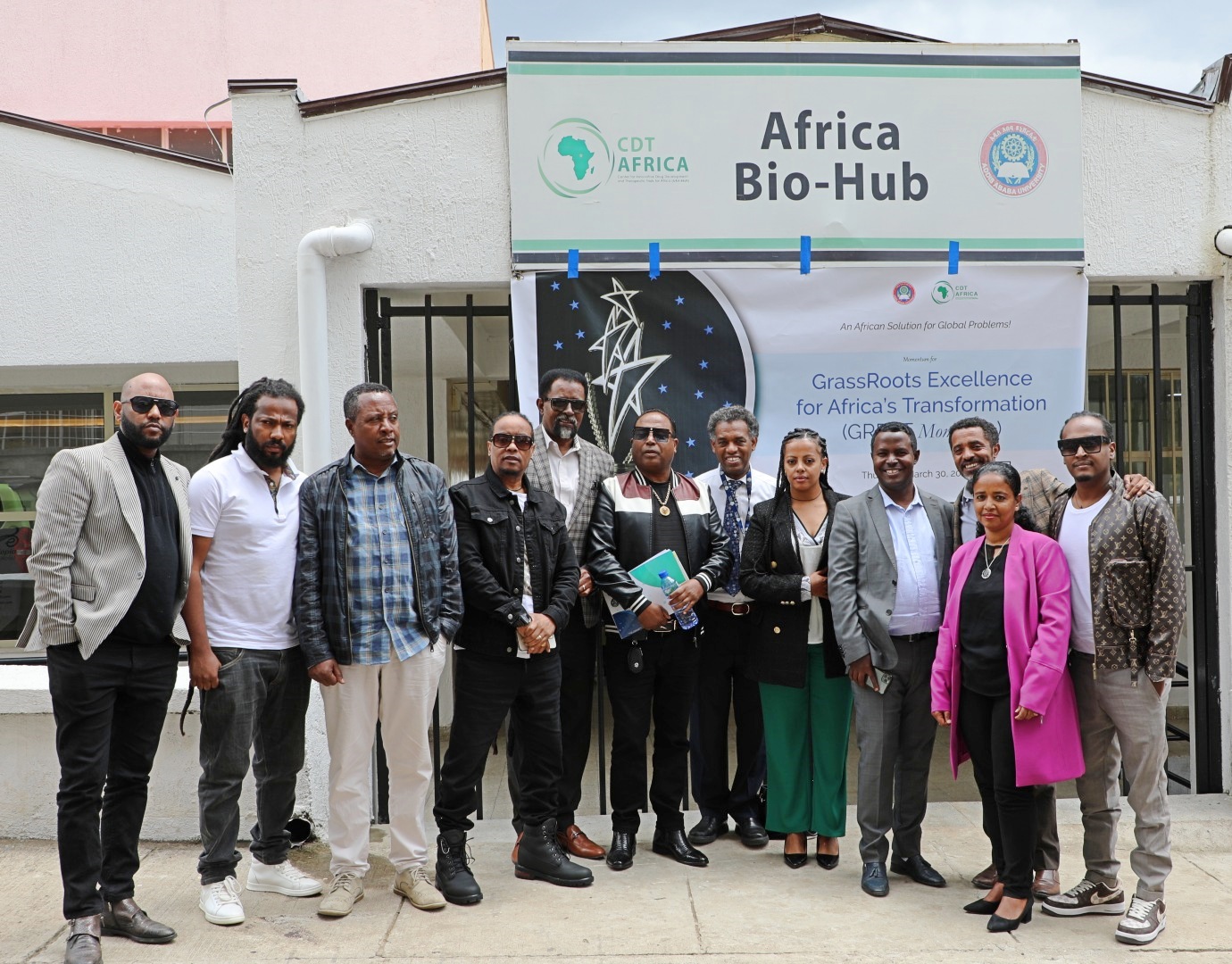
#Excellence has intrinsic values and #energy that can drive #transformation if we know how to make it a grassroots reality.
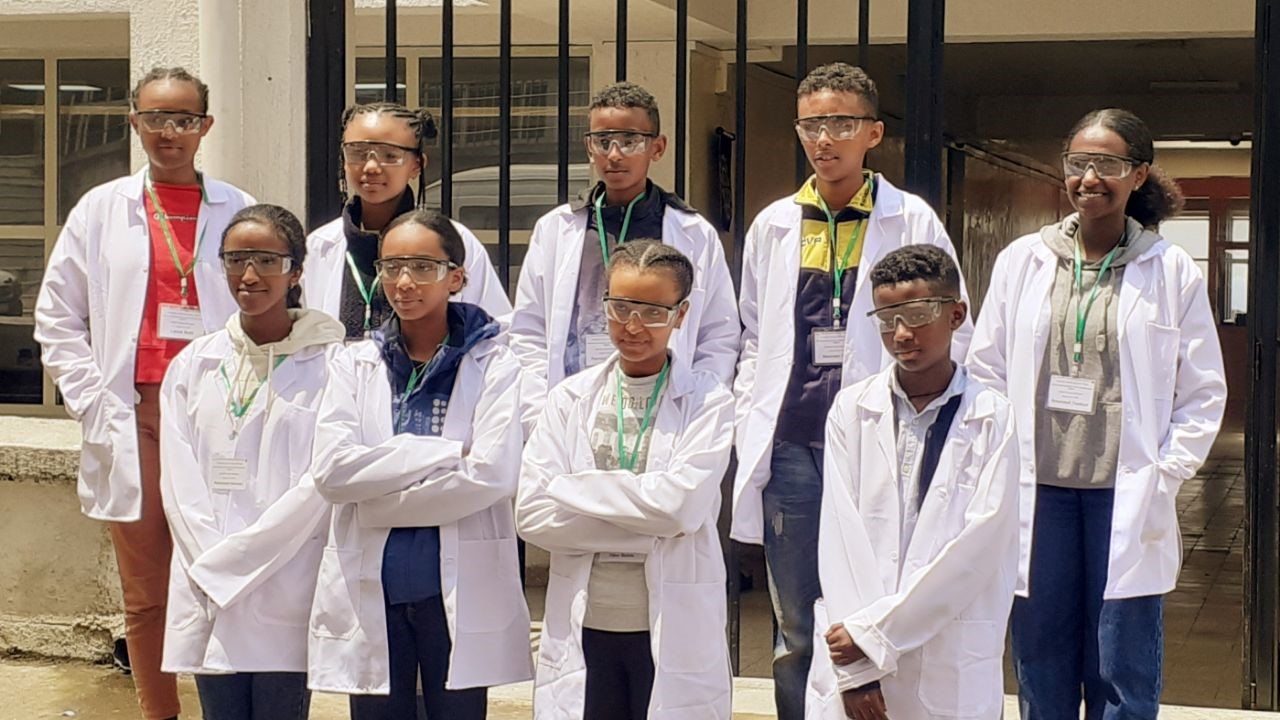
One of the most inspiring meetings I ever attended was the 2017 Bio-International Convention held in San Diego, CA, USA.

Visiting Jimma gave me a great deal of hope. The city has not changed much since I began
As the Ethiopian year-2012-is coming to a close, I have been reflecting on my ‘biggest’ lesson of the year.